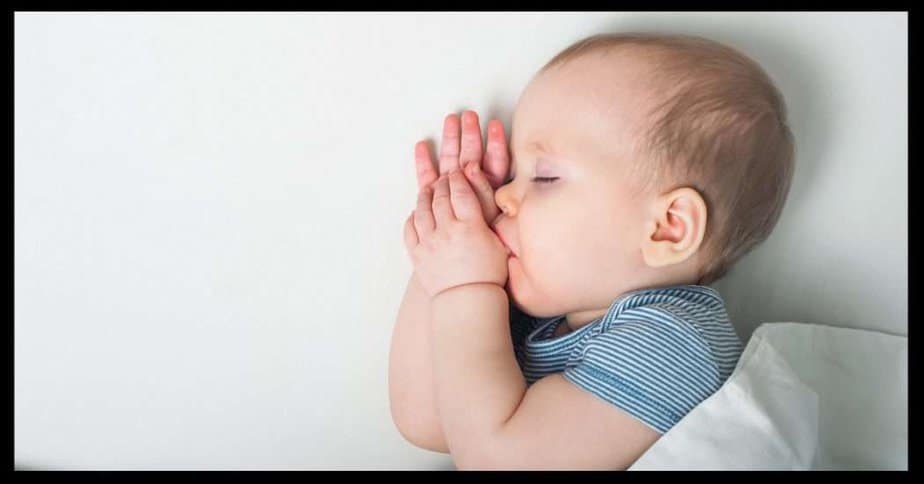
How to tell if baby is too cold when sleeping is a common concern for parents, but understanding the signs that baby is cold at night can help ensure your little one stays snug and warm.
Understanding Baby’s Ideal Sleep Temperature
Bringing a new baby home is an incredibly joyous and heartwarming experience, but it also comes with a profound responsibility to keep the little one safe.
Picture this: your little one, all snuggled up and getting ready for dreamland. And the secret to making it just right? It’s all about getting the best room temperature for the nursery.
Setting the dial too low or too high can veer into risky territory. A room that’s too chilly can invite unwelcome cold symptoms in your baby, while an overheated space ups the odds of overheating and, gravely, the risk of SIDS.
Understanding that delicate safe sleeping temperature—for their well-being and your peace of mind—is non-negotiable.
Think of your nursery room thermometer as a guardian, always watching for any problems. Making sure your baby’s temperature is just right isn’t just about making them comfy; it’s about giving them protection from getting too hot or too cold.
So, when you use it, you’re not just making a cozy sleep space; you’re also making sure your little one stays safe from extreme temperatures.
Key Takeaways:
- Maintain the ideal nursery temperature: Keeping the baby’s room between 68-72°F (20-22°C) ensures comfort and safety.
- Monitor to prevent risks: Use a nursery thermometer to avoid the dangers of overheating, hypothermia, and the risk of sudden infant death syndrome.
- Spot the signs: Knowing how to detect if a baby’s too cold can make a world of difference in their sleep quality and safety.
Disclaimer: This post may contain affiliate links that I may earn a commission from. As an Amazon Associate, I earn from qualifying purchases. You can read my full disclosure HERE.
Read Also: Why do Babies Cry in Their Sleep?
What to Do When Baby Will Only Sleep When Being Held
How to Get Your Baby to Sleep in The Crib
A Newborn’s Vulnerability: The Challenge of Regulating Body Temperature
To keep them warm, it’s essential to provide external warmth through clothing, swaddling, and maintaining a warm room environment. Typically, newborns develop better temperature regulation skills by around 3 to 4 months of age as their nervous system matures, and they accumulate more body fat.
However, it’s important to continue monitoring and ensuring a comfortable temperature for them even as they grow to ensure their well-being.
Spotting the Signs: Is Your Baby Too Cold?
So, what happens if baby is too cold at night? To understand that, you need to learn to recognize if your baby is too cold by tuning into the baby’s cues. Little ones aren’t equipped to tell you they’re chilly, so it’s up to you to be their thermostat. Your vigilance is key. Whether it’s the dead of winter or a cool summer night, your baby might just give you the silent signals that they need to be warmed up.
Pay close attention to their cues – are they fussing more than usual, or are their sleep patterns suddenly off-kilter? A content baby usually sleeps soundly, but a cold baby might be restless or wake more frequently. Trust your gut; if your baby seems unsettled, it may be time to check the temperature.
Your sleeping baby will give off physical cues. Are their little cheeks rosier than normal? Cool to touch? It’s common to think a baby’s hands and feet are reliable temperature indicators, but these extremities tend to be cooler naturally. Instead, gently touch the nape of their neck or their belly. These spots should feel warm—not hot or cold.
A baby’s skin can also speak volumes. Beyond just feeling their skin, look for signs. If the skin is paler than usual, or if your little one has cold-red cheeks or a red nose, it may signal they’re too cold. On the extreme end, persistent coldness might lead to an unusual lethargy.
If you notice your baby is less responsive or lacks energy, swiftly add a layer, or warm them up. Remember, your baby counts on your perception and quick action to keep cozy and safe.
The Touch Test: Feeling Hands and Feet
Wondering whether your little bundle might be too cold? Give the touch test a whirl. Gently press your lips against their tiny hands and feet. If they feel notably chillier than their chest or back, that’s a pretty normal discrepancy given these extremities often feel cool to the touch.
However, if you notice those little fingers and toes are cold enough to make you go ‘brr,’ bundled in a more snug layer, they might be. But, the true gauge of comfort is the torso. If the baby’s chest feels cool, or worse, cold, it’s high time to crank up the coziness with an extra layer.
Uncover their chest or back, and let your palm linger for a bit. That’s where the real story is told. If that tiny tummy is toasty, and the skin isn’t cool to the touch, rest assured, their temperature’s just right.
Visible Cues: Skin Color and Movement
Babies communicate in subtle ways, so learning to decipher those tells is a game-changer. If your little one’s skin appears paler than usual or has a bluish tint to it, especially around the lips, take note—that’s a red flag they might be feeling quite chilly.
As you look at your baby’s face, keep an eye on how they’re acting too. If your usually lively baby seems tired and not very active, it could mean they’re not happy about feeling cold.
Consider their movement or lack thereof—if they’re unusually still or stiff, that’s your cue to warm things up. The moment you spot these visual cues, kick into gear. Swaddle them in a cozy blanket or place them skin-to-skin against your chest to share your body heat.
When to Worry: Recognizing Hypothermia
Look out for shivering, which isn’t as common in infants as it is in adults, or a cold-to-the-touch belly and back—these are serious red flags. If you notice your baby’s breathing is slower or more labored, or they seem lethargic and less responsive than usual, it’s critical to take action. A baby with hypothermia might have bright red, cold skin, and very low energy, and could start exhibiting an unusual level of crankiness.
Don’t hesitate: If these symptoms are present, warm your baby immediately by removing any wet clothing and wrapping them in warm blankets, and then seek medical attention urgently. While waiting for help, skin-to-skin contact can also be beneficial in sharing your body warmth. Give them a warm bath only on the advice of a healthcare professional, as this can sometimes do more harm than good.
Remember, even in less dramatic scenarios, a baby who is simply chilly will require your quick response to adjust their clothing or environment. Use your awareness and intuition, but if there’s any doubt about your baby’s condition, always err on the side of caution and consult a healthcare provider for medical advice.
Temperature Tools: Using Thermometers Effectively
Mastering the use of thermometers can be a game-changer in ensuring your little one’s room is kept at a comfortable temperature throughout the night. Gone are the days of guesswork; arm yourself with a reliable nursery thermometer to keep watch over the sleep sanctuary.
When it comes to nursery thermometers, my absolute favorite has got to be the Kelvin room thermometer. This little gadget is a game-changer, especially for parents who want a quick and clear way to check the temperature, even from across the room.
Picture this: it sits on a base that not only lights up but also changes colors to match the room’s temperature. Talk about a visual indicator that’s as easy to read as your favorite bedtime storybook. It’s a breeze – blue means it’s chilly, amber means it’s just right, and red? Well, red says it’s too darn hot in here!
As soon as you lay your eyes on it, you’ll know exactly what adjustments need to be made. Perched on its base, this thermometer gives you an accurate temperature reading and doubles as a hygrometer, so you can keep tabs on the humidity levels in the room.
But here’s the kicker: you can customize it to fit your specific location and environmental conditions. If the temperature goes outside your preferred range, the base does a little color dance to let you know. And guess what? You can switch between Fahrenheit and Celsius too – pick your poison!
Now, let’s talk about the base itself – it’s adorable! It’s like a cute little creature with its two big eyes watching over your baby. And here’s the cherry on top: Little Hippo throws in a sweet one-year warranty, just to ease your worried parent heart. So, go ahead and make your nursery as comfy as a cozy blanket on a chilly night with the Kelvin room thermometer!

Trust the ideal, doctor-recommended sleep temperature for your baby, which hovers between 68 and 72 degrees Fahrenheit, as your true north. Remember, your trusty thermometer is the sentinel for sleep safety—too high or too low, and it’s time to adjust.
Here’s a handy tip: if the room gets cooler, think about adding a cozy layer to your baby’s sleep outfit, like a wearable blanket. And if it gets warmer, just a simple one-piece baby pajama should be good. By keeping an eye on that trusty gauge, you’ll make sure your baby’s dreams are as comfy as a lullaby.
Layering Up: Dressing Your Baby for Sleep
Additionally, it’s essential to recognize that dressing your baby for sleep serves a strategic purpose beyond cuteness. It’s comparable to the way we carefully layer ourselves for a brisk winter day, albeit on a miniature scale, to ensure your baby stays cozy and comfortable throughout the night.
During colder months, think of a cozy sleep sack. Wearable blankets keep baby snug without the risk of loose coverings. This is your go-to outer layer – simple, safe, and secure.

Underneath, opt for breathable fabrics like cotton or merino wool, which are adept at keeping baby toasty without causing a sweat. But remember, it’s not just about piling on layers; it’s about opting for warmth without the weight. The rule of thumb? Your baby should sport one extra layer of clothing than you’d wear. It’s straightforward and surprisingly effective.
As the weather heats up and the warmer months make their entrance, swap out the thicker ensembles for something light and airy. A single layer of snug-fitting cotton with a lightweight sleep sack can be enough. Whether it’s a onesie or infant pajamas, make sure it allows for freedom of movement and doesn’t overheat that tiny body.
Whether frost is forming on the window or the summer sun is streaming in, dress your baby in materials and layers that suit the season, keep them comfortable, and most importantly, let them drift into dreamland safely.
Sleep Environment: Setting Up a Safe Sleep Environment
Creating a safe sleep environment for a baby’s room is of utmost importance to ensure their well-being. One of the key guidelines is to use a firm mattress for the baby’s crib. A firm surface reduces the risk of suffocation and ensures that the baby’s face doesn’t sink into the mattress, helping to maintain an open airway.
Additionally, it’s crucial to avoid placing loose blankets, pillows, or toys in the crib. These items pose a suffocation hazard as babies may accidentally cover their faces with them, increasing the chance of SIDS.
Instead, opt for sleep sacks or swaddles to keep your baby warm without the need for loose bedding. By following these safe sleep guidelines, you can create a secure and comfortable sleeping environment for your baby, promoting their health and safety during their crucial early stages of development.
As you tuck your little one in, bear in mind that the nursery shouldn’t just be cozy; It should keep your baby warm without making them too hot.
Place the crib away from drafty windows and exterior walls to shield your baby from the shivers. Instead of piling on the blankets, opt for a snuggly sleep sack or a swaddle that’s just right—not too tight, not too loose, but a perfect pouch of warmth.
Be cautious with crib bedding; it should comfort, not smother. It’s a careful balance between keeping your baby warm and making sure they don’t get too hot. You’re aiming for that Goldilocks zone: just right. Remember, too many layers can escalate into a sweat-fest, so adjust as needed.
The Dangers of Space Heaters
Having space heaters in a baby’s bedroom can pose several dangers. First and foremost, space heaters can increase the risk of fire if they malfunction or come into contact with flammable materials like curtains or bedding.
Babies have sensitive skin and can be easily burned if they come into direct contact with a space heater, even if it’s equipped with safety features like tip-over switches. Furthermore, space heaters can affect the room’s air quality, potentially leading to issues with indoor air pollutants or reduced oxygen levels in a poorly ventilated room.
For these reasons, it’s generally recommended to avoid using space heaters in a baby’s bedroom. Space heaters might promise a quick fix to the cold but can be deceptive villains with their risks of burns or even fires. Instead, stabilize the room’s temperature and keep it at the optimal room temperature to ensure your baby sleeps soundly and securely.
Monitoring Made Easy: Tech and Tools
Oh, the joys of modern parenting, with gizmos and gadgets that add an extra layer of comfort to the never-ending worry list! Let’s get real, you’re looking for peace of mind when your little one is bundled up and dreaming.
Enter the baby monitor with temperature alerts, an ingenious device to keep tabs on the nursery climate without tiptoeing in a hundred times a night. This nifty tool sends a ping straight to your smartphone if the room veers away from the baby Goldilocks zone—neither too hot nor too cold.
Now, this tech is indeed fantastic but don’t get lulled into a false sense of security. I mean, how often did your Wi-Fi betray you when binge-watching your favorite show? Exactly. So keep in mind, that these gadgets are helpers, not substitutes.
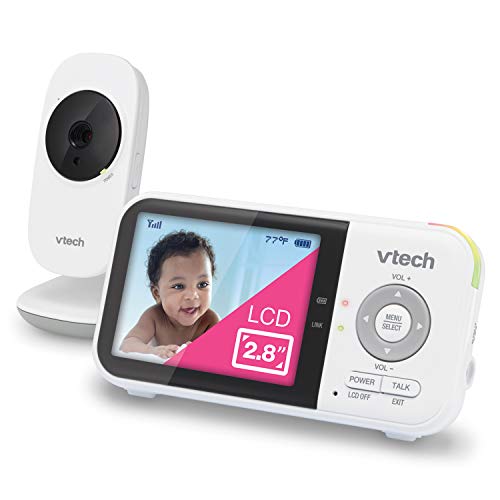
You’ll still want to swoop in for the occasional check—the gentle rise and fall of their chest, the rosiness of their cheeks, that soft breath sound that’s sweeter than any lullaby.
Lean on technology as your silent sentinel; it’s an ally in maintaining that just-right sleep haven. But remember, it’s your eyes, and your touch that are irreplaceable—this blend of tech and tenderness is parenting in the 21st century.
Final Thoughts on How to Tell if Baby is Too Cold When Sleeping
“Is my baby too cold at night?” is a common concern for most parents, since they can’t tell us how they’re feeling. That’s why it is so important to understand that optimal baby sleep temperature is more than a thermostat setting; it’s about preparation, observation, intuition, and following your gut. In short: follow their cues!
Trust the telltale signs baby is cold at night—those little feet shouldn’t feel icy, and your baby’s gentle cheeks ought to exhibit a healthy glow, not a pallid concern.
When you’ve layered them just right, in those adorable infant pajamas and that lightweight sleep sack, you’ve cast a protective charm against the chills of colder temperatures. Even as the weather turns or the night deepens, your vigilance paired with a reliable nursery thermometer ensures they slumber without shivering.
Use a baby monitor with temperature feedback, but trust your instincts to check on your baby. Balance technology with your natural intuition, ensuring your baby sleeps safely and comfortably.
Just remember, looking after your baby at night is like a gentle balancing act—keeping them warm and secure. Whether you choose to swaddle them or pick the right sleep sack, you’ve got what it takes to make sure they have a good night’s sleep.

Frequently Asked Questions About How to Tell When Baby is Too Cold When Sleeping
What is the ideal nursery room temperature for a baby?
The ideal nursery room temperature for a baby is between 68-72°F (20-22°C).
How can I tell if my baby is too cold when sleeping?
Look for signs that baby is cold at night, such as fussiness, disrupted sleep patterns, cool skin at the nape of the neck or belly, paler skin, and unusual lethargy to determine if your baby is too cold.
What should I do if my baby feels too cold during sleep?
If your baby feels too cold, add an extra layer of clothing, use a cozy blanket, or provide skin-to-skin contact to warm them up.
Are cold hands and feet a reliable indicator of a baby’s temperature?
No, cold hands and feet are not reliable indicators of a baby’s temperature. Check the baby’s chest or back for an accurate gauge of their comfort.
Is it safe to use space heaters in a baby’s room?
It’s generally recommended to avoid using space heaters in a baby’s room due to the risks of burns, fire, and potential air quality issues.
Read Also: Why do Babies Cry in Their Sleep?
What to Do When Baby Will Only Sleep When Being Held
How to Get Your Baby to Sleep in The Crib


Leave a Reply Cancel reply