
Discover how to transition from breastmilk to formula – the easy way!
Depending on your reasons from switching from breast to formula, this can be a major decision filled with concerns. My youngest was born with a cleft lip and palate (so he was unable to breastfeed) and after exclusively pumping for 6 months, I finally made the decision to switch to formula.
This was not an easy decision for me to make and I was so worried about doing it wrong and hurting his little tummy. The good news is, transitioning from breastmilk isn’t hard and the way to do it is pretty straightforward.
Whether you’re making the switch due to health, work, or personal reasons, I’ll provide you with a step-by-step guide to navigate the change. With different formula options, adjusting your routine, and maintaining your baby’s nutritional needs during the switch, there are straightforward instructions for it all.
Key Takeaways
The decision to switch from breast milk to formula is highly individual and should be based on the baby’s health needs and the mother’s situation, with advice from healthcare providers.
A variety of formula options exist, such as cow’s milk-based, soy-based, and hypoallergenic formulas, and choosing the right one should involve consulting a pediatrician to match the baby’s nutritional needs.
Introduce formula gradually, starting with one bottle at a time, and maintain a nurturing feeding environment with practices like mixing breast milk with formula, using bottles that mimic breastfeeding, and ensuring physical closeness.
Disclaimer: This post may contain affiliate links that I may earn a commission from. As an Amazon Associate, I earn from qualifying purchases. You can read my full disclosure HERE.

Deciding When It’s Time to Transition from Breast Milk to Infant Formula
Whether it’s due to low breast milk supply, the need for medication, a return to work, or simply personal preference, you’re not alone in facing the decision to switch from breast milk to formula.
One thing to remember is that there’s no one-size-fits-all answer. The decision to switch from breast milk to formula depends on a myriad of factors, including your baby’s age and your situation. What’s important is to prioritize your baby’s health and well-being while also considering your personal needs, mental health, and circumstances.
For me, mental health played a huge part in my decision to transition to 100% formula feeding. After taking care of 3 kids, including a baby who was born with special needs, plus trying to pump constantly and not getting great results, I felt like I was losing my mind. Something had to give and I determined that I had to stop pumping for my own mental health.
Related: Find the Best Bottle Warmer for Your Baby
How to Supplement Breastfeeding with Formula
How to Smoothly Transition from Breastmilk to Formula
Transitioning from breastfeeding to using formula is a huge step and it can cause a lot of stress and worry for moms and dads.
In the steps ahead, I’ll walk you through the process, giving you advice and useful insights so that switching from breastfeeding to formula is a smooth and stress-free experience for both you and your baby.
Exploring Your Baby Formula Options

Once you’ve decided to transition to formula, the next thing to do is check out your formula options. Just like we grown-ups have all sorts of diets (vegan, gluten-free, low-carb, you name it), babies also have a bunch of formula choices to match their specific nutritional needs. Here are some common types of baby formulas to consider:
Cow’s milk-based formula
Soy-based formula
Hydrolyzed formula
Lactose-free formula
There are cow’s milk-based formula options, soy-based formulas, and hypoallergenic infant formulas made for babies with milk protein allergy. For parents seeking organic options, there are brands like HiPP, Holle, Kendamil, Lebenswert, and Löwenzahn.
These brands are known for using high-quality organic ingredients in their formula and gentle processing methods that aim to retain the nutritional value of the ingredients as much as possible.
The Gradual Shift: Introducing Formula to Your Breastfed Baby
Now that you’ve picked a formula, it’s time to start the slow switch from breastfeeding to bottle-feeding.
Start by swapping just one breastfeeding session with a bottle. If your breastfed baby isn’t thrilled about the bottle at first, don’t worry. Babies can be picky, and it might take some trial and error with different types of bottles to find the one your baby likes. You can check out my list of my favorite bottles for breastfed babies.
Remember, this isn’t a race – it’s a gradual process. So, be patient and let your baby adjust at their own pace.
Mixing Matters
Mixing breast milk and formula in the same bottle can be a helpful move as you make the transition. It gives your baby’s tummy a chance to adjust to the new stuff in formula.
But, make sure you follow the mixing guidelines carefully. You want prepared formula to keep that right balance of nutrients and water. So, prepare the formula just like the manufacturer says, and then blend it with your expressed breast milk. This way, you’ll have a safe and nutritious mix for your little one.
Once you’ve completely transitioned to formula, and you’re looking for a little extra help on the formula-feeding front, the Baby Brezza Formula Pro could be your new best friend. It mixes the formula to the perfect temperature and consistency, all at the push of a button.
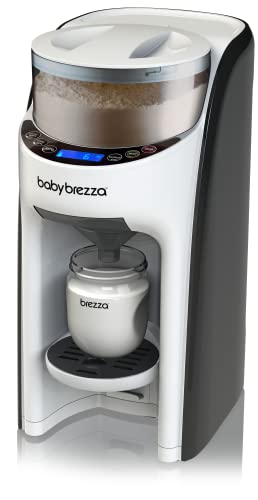
I never used this machine so I can’t give it a personal recommendation. I have heard both ends of the spectrum as far as reviews go. Some parents say it’s a waste of money and just as many say it was a lifesaver and the best baby item they purchased.
As far as reviews go, the machine works great and does prepare a perfect bottle. So it all comes down to whether you spend the time making it yourself (and save the cost of the machine) or you push a button and the perfect bottle is prepared for you.
Here’s a little video that shows how the Baby Brezza Works.
Selecting the Ideal Bottle for Formula Success

Picking the appropriate bottle can greatly impact your baby’s shift from breast to bottle. The ideal bottle should mimic the breastfeeding experience to make the transition easier for your baby.
When selecting a bottle, consider options with a wide mouth and a nipple that resembles the breast. This can help your baby latch on more naturally and make feeding feel closer to breastfeeding.
Baby bottles are typically made from materials like:
Glass
Polyethylene
Polypropylene
Food-grade silicone
Each material offers different benefits, such as durability, safety, and ease of cleaning. For example, plastic bottles are lightweight and sturdy, but they may not last as long as glass bottles. View my list of favorites HERE.
Navigating Feeding Schedules During Transition
When you’re swapping exclusive breastfeeding for formula, it’s time to tweak your baby’s feeding routine. But remember, it needs to be a slow and baby-friendly shift.
Try giving a bottle of formula about an hour or two after breastfeeding when your baby is all happy and chill. This way, they can get used to the new way of feeding without getting hungry and fussy.
Keep in mind that formula takes longer to digest than breast milk. So, your baby might not need to eat as often once they start on formula. Setting up a regular schedule, like feeding every 3 or 4 hours, could work better for your little one.
Comfort Measures for Bottle Feeding
Guaranteeing your baby’s comfort during bottle feeding can soften the transition. Simple measures like maintaining optimal milk temperature can make a significant difference. The ideal temperature for formula milk is around 98.6°F, which is comfortably warm, just like body temperature.
Before offering the formula to your baby, test a few drops on your skin to make sure it’s not too hot or too cold. If you’re on the go, consider using a portable bottle warmer to maintain the perfect milk temperature for your baby.
Besides temperature, maintaining physical closeness during bottle feeding can also provide comfort to your baby. Some ways to do this include:
Holding your baby close to your chest while feeding
Making eye contact and talking or singing to your baby during feeding
Using a soft, soothing voice to create a calm and nurturing environment
Getting close to your baby skin-to-skin is a wonderful bond enhancer. It turns feeding time into a sweet moment of connection instead of just another chore.
Recognizing and Addressing Common Transition Challenges
Switching from breast milk to formula isn’t always a breeze. You might run into some hiccups like your baby refusing the bottle, being fussy, or dealing with constipation. But hey, don’t stress. These are normal challenges, and you can tackle them with some patience and the right game plan.
If your baby refuses the bottle, try the following tips:
Offer the bottle when they are not too hungry or tired
Keep practicing patiently to overcome bottle refusal
It might take some time and persistence, but remember, all good things take time.
If your baby gets cranky or has tummy troubles (like gas or constipation) after switching to formula, you can try a few easy fixes or tweak their diet if they’re a bit older.
Related: Find the Best Bottle Warmer for Your Baby
How to Supplement Breastfeeding with Formula
Bicycle Baby’s Legs
To help your baby with gas pain, try gently moving their legs like they’re pedaling a tiny bicycle. It’s like a little workout for their tummy muscles, and it can help those pesky gas bubbles escape.
Add Fiber-Rich Foods
If your baby is on solids and is constipated, add fiber-rich foods to their diet. You can add lentils, quinoa, carrots, raspberries, pears, avocado, and beets to their daily diet. I had great success with adding ground flaxseed to my baby’s purees and yogurt when they were constipated. My favorite brand was Bob’s Red Mill Organic. Once I added this to my sons’ diet and used it daily, we never again had issues with constipation.
Keep in mind that it can take 1-2 weeks for baby to adjust to a new formula and for these symptoms to disappear.
**If your baby suddenly starts having any of the following symptoms after you switch to formula, contact your pediatrician, because it can indicate that your baby has an allergy to milk protein.
vomiting
hives
swelling of the lips or face
difficulty breathing
skin rash
blood in the stool
Maintaining Nutritional Balance
As you make the switch from breast milk to formula, keeping your baby’s nutrition on point is key. Baby formula needs to be a close match to breast milk, giving your little one all the good stuff they need to grow healthy and strong.
Manufacturers work their magic by adding special things like Nuturis and Human Milk Oligosaccharides (HMOs) to make formula mimic breast milk as closely as possible. While different brands may have slightly different amounts of these ingredients, it doesn’t make a big difference in terms of nutrition.
Remember, formula is a complete meal for your baby, and it packs in all the right stuff your baby needs to help your baby grow:
protein
calories
fat
vitamins
minerals
Weaning Off Breastfeeding Completely
The last step in the transition is saying goodbye to breastfeeding altogether. It can feel a bit overwhelming to stop breastfeeding, but just keep in mind that taking it slow and steady is the way to go. Begin the process of weaning by following these steps:
Replace one breastfeeding session a day with a bottle of formula.
Gradually replace more breastfeeding sessions over time with formula feedings.
During this process, it’s important to maintain physical closeness with your baby, as it’s a big part of what makes nursing so comforting for the baby.
Final Thoughts on How to Transition from Breastmilk to Formula
When you’re on the path from breast milk to formula, and you’re ready to start weaning, don’t forget to take it one step at a time. There’s a lot to figure out, like when to make the switch, what formula to choose, and how to introduce it slowly.
It can feel like a big challenge, but if you stick with it patiently, keep trying, and use the right game plan, you can make the transition smooth and successful.

Frequently Asked Questions
Can I just switch from breast milk to formula?
No, it’s not recommended to suddenly switch from breastmilk to formula because it can be harmful for your baby and cause breast engorgement for you. It’s best to gradually decrease breastfeeding sessions to allow your body to adjust to formula feeding.
How long does it take a baby to adjust to formula from breast milk?
It may take your baby two to six weeks to fully adjust to the formula after gradually reducing breastfeeding sessions.
How can I gradually introduce formula to my baby?
Start by swapping one breastfeeding session with a bottle feeding, and be patient if your baby initially rejects the first bottle feed – try different types until you find one that works.
Can I mix breast milk and formula?
Yes, mixing breast milk and formula in the same bottle is safe and can help your baby adjust to new ingredients and textures. It’s a common practice among parents.
How can I ensure my baby’s comfort during bottle feeding?
Ensure your baby’s comfort during bottle feeding by maintaining optimal milk temperature and using skin-to-skin contact to strengthen your bond.


Leave a Reply