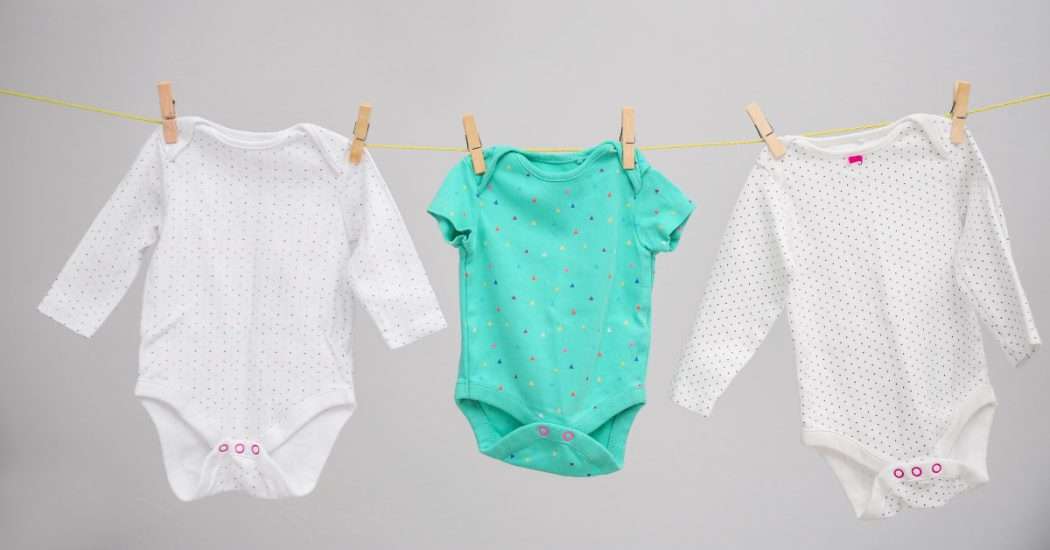
Wondering how to wash baby clothes? Let’s take a look!
If you’re wondering how to wash newborn clothes, welcome to the club of “things I didn’t realize I’d suddenly care this much about.”
Before baby arrives, washing tiny onesies can feel weirdly high-stakes. You start asking yourself things like:
- Do I need a special detergent?
- Should I wash baby clothes separately?
- Can newborn clothes go in the washing machine?
And why does this suddenly feel like a test I forgot to study for?
The good news is that this part is actually pretty simple once you know the basics.
Newborn clothes should be washed before baby wears them, using a gentle detergent and a washing routine that protects sensitive skin without turning laundry into a full-time job.
The key is keeping things clean, simple, and low-irritation.
This guide walks through exactly how to wash newborn clothes, what detergent to use, how to handle stains, when to wash separately, and what changes as your baby gets older.
Quick Answer: How Do You Wash Newborn Clothes?
Wash newborn clothes in cold water using a gentle detergent and either the delicate or normal washing machine cycle. Pre-wash all new baby clothes before first wear to remove chemicals and residue.
Most baby clothes can safely be washed in a regular washing machine using these settings.
And while you’re in full nesting mode, getting everything ready for baby, you might also want to check out our guide to the best gliders and rocking chairs for breastfeeding so you’re comfortable during those long newborn feeding sessions.
Disclaimer: This post may contain affiliate links that I may earn a commission from. As an Amazon Associate, I earn from qualifying purchases. You can read my full disclosure HERE.
Do You Need to Wash Baby Clothes Before Baby Wears Them?
Yes. You should always wash baby clothes before your baby wears them because new clothing can contain manufacturing chemicals, dust, and residues that may irritate a newborn’s sensitive skin.
Even brand-new baby clothes are not truly clean just because they look clean.
Before they make it to your house, they’ve usually been through manufacturing plants, warehouses, shipping containers, store shelves, and a whole lot of handling.
That means new baby clothes can come into contact with:
- dust and warehouse residue
- fabric stiffeners and sizing chemicals
- dyes and finishing agents
- perfumes, lotions, and oils from handling
- mold spores or shipping contaminants from storage
This is why washing baby clothes before your baby wears them is so important.
And honestly, I’d go one step further than the usual advice here. For clothes that will sit directly on newborn skin, like onesies, sleepers, socks, mittens, and swaddles, washing twice before first wear is a smart move, especially if your baby has sensitive skin or eczema runs in the family.
If you want to be extra cautious, adding a little white vinegar to the first wash can help cut residue, and sun-drying afterward can help freshen fabrics naturally.
What Is Actually on New Baby Clothes?
This is the part most parents never think about until they’re folding a mountain of tiny outfits at 34 weeks pregnant.
New baby clothes may contain leftover residues from:
- wrinkle-resistant treatments
- excess dyes
- textile processing chemicals
- dust and debris from warehouses
- handling from packing, shipping, and store displays
Even if a piece of clothing looks perfectly clean, that doesn’t mean it’s ready for newborn skin.
That’s why pre-washing matters so much during the newborn stage. Their skin is more sensitive, more absorbent, and way more likely to react to leftover irritants than older kids or adults.
Pre-Washing Priority Guide by Garment Type
Not every baby item needs the same level of attention. If you’re short on time and trying to prioritize what to wash first, start here.
| Baby Item | Pre-Wash Priority | Reason |
|---|---|---|
| Onesies & sleepers | Critical | Full-body skin contact and worn constantly |
| Socks & mittens | Critical | Babies put hands and feet in their mouths |
| Blankets & swaddles | High | Frequent face and skin contact |
| Bibs | High | Touch the mouth and absorb drool |
| Outerwear & coats | Moderate | Usually worn over other clothing |
When Should You Wash Baby Clothes Before Baby Arrives?
Most parents wash baby clothes around 32–36 weeks of pregnancy.
This timing works well because:
• You’re far enough along that baby could arrive soon
• Clothes stay clean and ready in drawers
• You’re not scrambling to wash everything after labor starts
Start with the essentials first:
- newborn onesies
- sleepers
- swaddles
- socks and mittens
- burp cloths
If you receive more clothes after your baby shower, you can always wash additional items later.
Best Detergent for Baby Clothes (What to Look For)
The best detergent for baby clothes is simple: fragrance-free, dye-free, and gentle on sensitive skin.
You do not have to buy a detergent with a cartoon baby on the bottle to wash baby clothes safely. A regular detergent made for sensitive skin is usually just fine.
Good options include:
If your baby has especially sensitive skin, eczema, or keeps breaking out in rashes, it’s worth sticking with the most basic formula possible and skipping anything heavily scented.
Baby Detergent vs Regular Detergent
Many new parents assume they need to buy a special baby detergent, but that’s not always necessary.
| Baby Detergent | Regular Sensitive-Skin Detergent |
|---|---|
| Made specifically for baby laundry | Often cheaper |
| Usually fragrance-free | Can still be gentle |
| Marketed toward newborn skin | Works for whole family |
| Sometimes more expensive | Widely available |
For most families, a fragrance-free, sensitive-skin detergent works just fine for baby clothes.
Detergent Ingredient Red Flags for Baby Skin
Here are some ingredients worth avoiding when you’re choosing a baby laundry detergent:
| Ingredient to Avoid | Why It’s Harmful | Found In |
|---|---|---|
| Optical brighteners | Can remain on fabric and trigger skin irritation | “Brightening” detergents |
| Synthetic fragrances | Can irritate sensitive skin and may contain phthalates | Scented detergents |
| 1,4-Dioxane | Manufacturing byproduct some parents prefer to avoid | Conventional detergents |
| SLS/SLES | Can be drying and irritating on delicate skin | High-sudsing formulas |
| Phosphates | May leave irritating residue on fabric | Some older formulas |
A good rule is this: the more basic and boring the detergent sounds, the better it usually is for baby laundry.
How Much Detergent Should You Use for Newborn Clothes?
This is where a lot of parents accidentally overdo it.
For newborn clothes, you usually need less detergent than you think. More detergent does not automatically mean cleaner clothes. It often just means more residue left behind.
During the newborn stage, using about half the usual recommended amount is often enough for lightly soiled baby loads, especially if you run an extra rinse cycle.
If your baby’s clothes come out smelling strong, feeling stiff, or seem to irritate their skin, too much detergent may be the problem.
How to Wash Newborn Clothes Step by Step
If you want the basic routine, here it is:
- Sort by color and fabric
Separate whites, lights, and darks. If you have very delicate outfits, keep those separate too. - Pre-treat obvious stains
Handle spit-up, milk, or diaper messes before they sit too long. - Use a gentle detergent
Choose a fragrance-free detergent and use a small amount. - Wash on the right cycle
Most newborn clothes do best on delicate or normal with cold water. - Run an extra rinse
This helps remove leftover detergent from fabric. - Dry on low heat or air dry
Either works. Just keep it gentle.
That’s really it. No baby laundry diploma required.
Can Baby Clothes Be Washed in the Washing Machine?
Yes. Most baby clothes can absolutely be washed in the washing machine.
You do not need to hand-wash every tiny sock like you’re starring in a historical drama.
A washing machine is fine for most:
- onesies
- sleepers
- bibs
- burp cloths
- swaddles
- baby pants
- baby pajamas
Just use a gentle detergent and choose the right cycle.
Hand washing is really only needed for extra delicate pieces, special occasion outfits, or anything with very specific care instructions.
Best Washing Machine Settings for Baby Clothes
The best washing machine setting depends on what you’re washing.
Washing Machine Cycle Decoder for Baby Clothes
| Cycle Name | Best For Baby Items | Water Temp |
|---|---|---|
| Delicate/Hand Wash | Brand new clothes, dressy outfits, delicate fabrics | Cold |
| Normal/Regular | Everyday onesies, sleepers, leggings | Cold |
| Heavy Duty | Cloth diapers, major messes, heavily soiled items | Warm |
| Quick Wash | Lightly worn items, small refresh loads | Cold |
| Sanitize | Illness recovery, occasional deep clean | Hot |
Most baby clothes do just fine in cold water on a regular or delicate cycle.
Should You Wash Baby Clothes Separately?
You can, but you don’t always have to.
In the early weeks, a lot of parents prefer washing newborn clothes separately because:
- you can use baby-safe detergent without mixing in scented adult laundry
- baby clothes stay away from heavily soiled family items
- it’s easier to keep track of all the tiny pieces
Later on, many parents combine baby laundry with the rest of the family’s clothes as long as everyone’s using a gentle detergent.
So this is more of a “helpful if it works for you” thing than a hard rule.
The Wash Timing Window Strategy: Why Baby’s Age Changes Your Laundry Routine
This is one of the most useful ways to think about baby laundry.
The best way to wash baby clothes changes a little as your baby grows. What makes sense for a sleepy newborn is not always the same routine that works for a crawling, food-smearing one-year-old.
Birth to 3 Months: The Ultra-Gentle Phase
- Wash clothes fairly quickly after blowouts, spit-up, or milk exposure
- Use a smaller amount of detergent
- Run an extra rinse every time
- Prioritize the softest, least irritating routine possible
3 to 6 Months: The Drool & Roll Phase
- Keep a quick stain-prep setup nearby for drool and spit-up
- Mist stains early before they dry down
- Wash every other day or as needed instead of automatically doing daily loads
6 to 12 Months: The Food Phase
- Separate heavily food-stained bibs from regular clothing
- Pre-treat puree and fruit stains quickly
- Consider a separate hamper for messier feeding items
12+ Months: The Tiny Explorer Phase
- Shake out outdoor dirt and debris before washing
- Check pockets for rocks, leaves, or mystery treasures
- If your toddler tolerates it well, you can slowly transition toward regular family detergent
This approach helps you avoid being overly intense forever while still protecting newborn skin when it matters most.
How to Remove Stains From Baby Clothes
Baby stains are relentless. Cute, but relentless.
The biggest mistake most people make is waiting too long. A stain that would have come right out at 9 a.m. somehow turns into a personal enemy by dinner.
Start with this:
- rinse with cold water
- apply a small amount of gentle detergent
- let it sit
- wash normally
For tougher stains, Dawn dish soap can work well as a pre-treatment. Sunlight can also help naturally fade many baby stains, especially milk and spit-up discoloration.
Stain Removal Timeline: How Long You Really Have
| Stain Type | Action Window | What Happens If You Wait |
|---|---|---|
| Spit-up/Formula | 30 minutes | Proteins start bonding to fibers |
| Breast milk | 1 hour | Fat can oxidize and yellow the fabric |
| Diaper blowout | Immediate | Odor and bacteria set in fast |
| Baby food (orange/yellow) | 2 hours | Pigments can stain permanently |
| Blood | 15 minutes | Heat and time make it set fast |
If you have a baby who spits up a lot or blows through outfits daily, setting up a little stain station can actually help. Nothing fancy.
Just a spray bottle with cold water, a gentle soap, and maybe a basket nearby for stained items.
What About Really Stubborn Baby Food Stains?
Once your baby starts solids, laundry gets dramatically less cute.
For sticky puree or food gunk, try this:
- scrape off what you can first
- rinse with cold water
- pre-treat before washing
For really sticky foods, chilling the item in the freezer for a short time before scraping can help remove residue more easily.
Also, washing bibs separately once your baby starts solids can help keep those orange sweet potato stains from spreading to everything else in the load.
The Water Hardness Problem Most Baby Laundry Posts Skip
If your baby keeps getting rashes even after you switched detergents, washed everything carefully, and did all the “right” things, the problem may not be the detergent at all.
It might be your water.
Hard water contains minerals that can bind with detergent and leave behind residue in fabric. That invisible buildup can sit against your baby’s skin all day and make clothes feel stiffer over time.
Signs hard water may be affecting your baby’s laundry:
- rashes show up where clothes fit snugly
- clothes feel scratchy or stiff
- you notice white residue on dark laundry
- switching detergents hasn’t helped
A simple fix is adding white vinegar to the rinse cycle. You can also use washing soda if your water is especially hard.
Easy Hard Water Fixes for Baby Laundry
Vinegar Rinse Method
Add 1/2 cup white vinegar to the fabric softener dispenser. This can help cut mineral residue and soften clothes naturally.
Washing Soda Boost
Add a small amount of washing soda to loads if hard water is reducing cleaning power.
Extra Rinse Cycle
This is especially helpful if you suspect residue buildup.
If your baby’s skin is irritated and nothing else makes sense, this is one of those sneaky things worth checking.
Should You Use Fabric Softener, Dryer Sheets, or Bleach on Baby Clothes?
Nope. It’s best to skip all three.
Fabric softeners and dryer sheets often leave coatings and fragrance behind, which is the last thing sensitive baby skin needs.
Bleach is also usually too harsh for regular baby laundry. It can weaken fabrics and leave irritating residue if not rinsed thoroughly.
If static is driving you crazy, wool dryer balls are a much better option.
How to Dry Baby Clothes
Drying matters more than people think, especially if you’re trying to keep clothes soft and help them last longer.
You can dry baby clothes in the dryer or air-dry them. Both work.
Drying Method Comparison for Baby Clothes
| Drying Method | Pros | Cons |
|---|---|---|
| Low heat dryer | Fast and convenient | Can cause some shrinkage |
| Air dry outdoors | Natural bleaching and odor removal | Weather dependent |
| Air dry indoor rack | Gentle on fabric, no shrinkage | Takes longer |
| Air fluff (no heat) | Softens and removes lint | Won’t dry wet clothes |
| Combo method | Balanced and gentle | Requires switching methods |
Low heat is usually the easiest option. If you want to help preserve clothes, you can partly dry them in the dryer and then finish them on a rack.
How Often Should You Wash Baby Clothes?
During the newborn stage, most parents end up doing small loads every couple of days.
That usually works better than waiting for a giant mountain of spit-up-covered clothes to ruin your mood.
You don’t need to wash every single thing every single day unless there’s a lot of mess. But for newborn clothes, quicker turnaround is usually easier.
A rough guide:
- daily or every other day for onesies, sleepers, bibs, and burp cloths
- weekly for outer layers or less-used items
- immediately for anything with poop, vomit, or heavy spit-up
Is It O.K. to Use the Same Laundry Basket for Dirty and Clean Baby Clothes?
This is one of those tiny things most people never think about, but it actually matters.
Try not to toss freshly clean baby clothes back into the same basket that was holding dirty spit-up onesies five minutes ago.
If you can, keep:
- one basket for dirty clothes
- one basket for clean clothes
Or use a washable liner in the dirty basket and clean it regularly.
It’s a simple way to avoid re-contaminating clean laundry.
What If My Baby Still Gets a Rash?
If you’ve done all the usual things and your baby still seems irritated by clothing, a few less obvious culprits could be the problem:
- detergent residue in clothing
- hard water mineral buildup
- mold or residue in the washing machine itself
- dryer lint or allergens
- too much detergent
- leftover chemicals in brand-new clothes that were only washed once
At that point, it can help to:
- clean your washing machine
- run an extra rinse cycle
- try a vinegar rinse
- check your dryer vent
- wash stored or brand-new clothes twice
If skin irritation continues, talk with your pediatrician, especially if your baby has eczema or very reactive skin.
Frequently Asked Questions About Washing Baby Clothes
Can I use homemade detergent for baby clothes?
You can, but it’s not always the best choice. Many homemade detergent recipes do not rinse as cleanly as people think and may leave residue on fabric. For baby clothes, that leftover buildup can be irritating. If you go the DIY route, make sure the formula rinses well and always run an extra rinse.
Should I wash baby clothes that have been in storage before using them again?
Yes. Even if they were clean when packed away, stored clothes can collect dust, odors, and even mold spores over time. Wash them again before using them for another baby.
How do I know if baby clothes have buildup on them?
If clothes feel stiff, smell weird even after washing, or seem to repel water instead of absorbing it, buildup may be the issue. That can come from detergent, hard water minerals, or laundry product residue.
Can I wash newborn clothes with regular family laundry?
Yes, as long as you use a gentle detergent and the rest of the load is not heavily soiled. Many parents still prefer to wash newborn clothes separately at first.
Do I need to hand-wash newborn clothes?
Usually no. Most newborn clothes can go right into the washing machine on a gentle cycle.
The Biggest Things to Remember About Washing Newborn Clothes
If you forget everything else in this post while folding 47 tiny socks, remember these five things:
- Pre-washing baby clothes more than once can help remove leftover manufacturing residue, especially for items that sit directly on newborn skin.
- If your baby keeps getting rashes, hard water and detergent buildup may be the hidden problem.
- Your laundry routine can get a little less intense as your baby gets older.
- Stains are much easier to remove if you deal with them quickly.
- Fabric softener, dryer sheets, and bleach are usually not worth the risk on baby clothes.
Final Thoughts on How to Wash Newborn Clothes
Washing newborn clothes does not need to become a whole stressful thing.
Use a gentle detergent, wash new clothes before baby wears them, treat stains quickly, and keep the routine simple enough that you’ll actually stick with it.
That’s really the goal here. Clean clothes, soft fabrics, less irritation, and one less thing to overthink during the newborn stage.
And honestly, once the baby is here, there will be plenty of other things to overthink. Laundry does not need to be one of them.
If you’re busy preparing for baby, these will be helpful:
• Best Gliders and Rocking Chairs for Breastfeeding
• How to Supplement Breastfeeding With Formula
• Foods to Avoid While Breastfeeding


Leave a Reply Cancel reply