
Knowing when to stop swaddling baby for sleep and how to make the important shift, ensures your little one continues to sleep soundly and securely. Swaddling has been a comforting practice for newborns, providing them with a sense of security that mimics the womb.
However, as your baby grows and develops, there comes a time when it’s essential to transition away from swaddling to promote safe sleep and encourage healthy motor skill development.
In this blog post, we’ll delve into the crucial aspects of this transition, including the signs that it’s time to stop swaddling, the safe techniques for doing so, and tips to ensure your baby’s uninterrupted and peaceful slumber. By the end, you’ll be well-equipped to navigate this important stage of your baby’s sleep.
Disclaimer: This post may contain affiliate links that I may earn a commission from. As an Amazon Associate, I earn from qualifying purchases. You can read my full disclosure HERE.
Introduction to Swaddling
If you’ve ever seen a baby wrapped closely in a blanket, forming a cozy bundle, you’ve seen swaddling in action. This ancient practice involves snugly wrapping your baby in a swaddle blanket, which can mimic the security and comfort of the womb environment.
Swaddling can lead to longer, more restful sleep for infants, as the cozy embrace helps prevent startling reflexes and may soothe colic symptoms. In essence, swaddling is a method to help your baby feel secure as they adjust to the sensory experiences of the outside world.
As your baby grows and begins to change their sleep patterns, you’ll need to recognize the right time to transition away from swaddling, ensuring they continue to sleep safely and soundly. Embracing this shift is a natural part of your baby’s development and integral to their comfort and safety during sleep.
Key Takeaways:
- Swaddling tradition: Offering comfort and mimicking the womb’s snugness, swaddling helps newborns sleep better.
- Baby’s growth: Be watchful for developmental changes as signs to phase out swaddling for your baby’s safety.
- Smooth transitions: Learn when and how to gently ease your baby out of the swaddle, promoting safe and secure sleep.

The Significance of Swaddling
Swaddling stands out as a traditional method embraced by generations for settling newborns. You wrap your baby snugly in a swaddle blanket, mimicking the cozy, secure feeling they experienced in the womb.
This soothing technique can significantly calm your fussy baby, often leading to improved sleep patterns. Studies reveal that a well-swaddled infant may experience less anxiety and it also prevents the Moro reflex (startle reflex), which frequently disrupts sleep.
The snug embrace of the swaddle blanket allows your baby to feel secure and content, often translating into longer, more peaceful sleep periods. The benefits of this practice are supported by research indicating that swaddling can facilitate a faster transition to sleep and potentially enhance the duration of infants’ restfulness.
Understanding Baby Sleep Cycles
You may already know that infants don’t sleep quite like adults. Their sleep cycles are shorter and for good reason. Newborns drift between REM (rapid eye movement) sleep, where dreams happen, and non-REM sleep throughout the night.
These alternating cycles are crucial for their astonishing development. In the earliest weeks, swaddling mirrors the snugness of the womb, offering your baby comfort and security. It can help reduce startle reflexes, which often wake babies.
So naturally, swaddling becomes a part of your nightly routine, coalescing with these short sleep cycles to improve rest for both you and your little one.
As your baby grows, sleep patterns evolve, too. Sleep begins to consolidate, allowing for longer stretches at night. This is a signal to you. Keep pace with your baby’s development; recognize when those swaddles are less comforting and more constricting.
An infant’s increased need for mobility and active sleep requires you to adapt your sleep strategies. Being attentive to these shifts ensures your baby gets the safe, quality sleep they need for healthy growth.
Recognizing Developmental Milestones
As your baby grows, they’ll reach new milestones. These developmental signs show they’re ready for more freedom during sleep. Signs of Rolling over is a key sign that swaddling should stop, as a swaddled baby might not be able to roll back, posing a risk.
The ability to push up on hands or try to sit up are also clear indicators; these movements suggest your baby is developing motor skills that swaddling may hinder.
When your baby hits the milestone of breaking free from the swaddle, it’s another signal that they’re ready for the next step. These changes mean your baby is growing stronger and needs to move freely during sleep for their safety and to practice their new skills. Recognizing and adapting to these milestones is essential for their comfort and well-being.
Signs It’s Time to Stop Swaddling
You might notice a few signs indicating your baby is ready to say goodbye to the swaddle. If your baby starts consistently breaking free from their swaddle blanket, it suggests they need more freedom to move. Not just a Houdini in disguise, your baby’s newfound ability to escape the swaddle often means they’re over it and ready for swaddle-free sleep.
Another sign is when your baby begins to roll over or even shows signs of trying. Swaddling a rolling baby can be unsafe, as it impedes their ability to reposition their body. It’s a clear message from your baby that the swaddle has served its purpose, and their development is taking the lead.
If you see your baby being fussy or resisting swaddling before bedtime, it could mean they are ready for more sleeping independence. Being swaddled might be more of a nuisance than a comfort at this point, interrupting their ability to settle down into a good night’s sleep.
Finally, if their startle reflex, which initially made swaddling so reassuring, has decreased, it’s a developmental thumbs-up. Babies often outgrow this reflex after a few months, indicating they may sleep soundly without the snug wrap of traditional swaddle blankets.
Monitoring your baby for these signs equips you to transition them at the right time, promoting safety and restful sleep for both you and your little one.
Safety Risks of Continued Swaddling
As your baby grows more active, the safety risks associated with continued swaddling increase. Swaddled infants who can roll over may find themselves face down, raising the risk of Sudden Infant Death Syndrome (SIDS).
Your priority is to keep your baby safe during sleep, so you need to adjust your approach as they hit this significant milestone. To promote sleep safety for your active little one, make sure baby’s crib is free of loose blankets, pillows, and toys. According to the Centers for Disease Control and Prevention, your crib mattress should be firm and flat and not contain any type of sleep positioners.
Ensure your baby sleeps on their back, and consider using a wearable blanket (sleep sack) that allows for mobility while reducing the SIDS risk. These adjustments help create a secure sleep space that supports your baby’s development and your peace of mind.
The American Academy of Pediatrics has the most up-to-date safe sleep recommendations to help prevent infant deaths caused by unintentional strangulation and suffocation in bed.
Actionable Steps to Stop Swaddling Baby for Sleep
Transitioning your baby out of a swaddle calls for a gentle approach and there is no need to stop cold turkey. Change your swaddling technique to the ‘one-arm-out’ method; this allows your baby a gradual transition to sleeping without the snug comfort of a swaddle.
The best way is to wrap them as usual but leave one arm free. This slight change helps them get used to more mobility while still providing the partial security they’re accustomed to.
After a few nights, you can progress to leaving both of baby’s arms of the swaddle. This stage is pivotal, as your baby will learn to self-soothe without being fully swaddled. Keep an eye on their sleep patterns during this period, adjusting your approach based on how they respond to these changes.
Finally, once they seem comfortable with both arms free, move to a wearable blanket or sleep sack. These items offer a cozy environment without restricting your baby’s movement, ensuring safety while they sleep and a more gradual approach to stop swaddling.
Remember, every child is different, and patience is key; some babies adapt quickly, while others need more time. Observe carefully and let your baby’s comfort and readiness guide the pace of this transition.
Swaddle Alternatives for Older Infants
You’ve mastered the swaddle wrap, but as your baby grows, you’ll need to explore other options to keep them snug and safe.
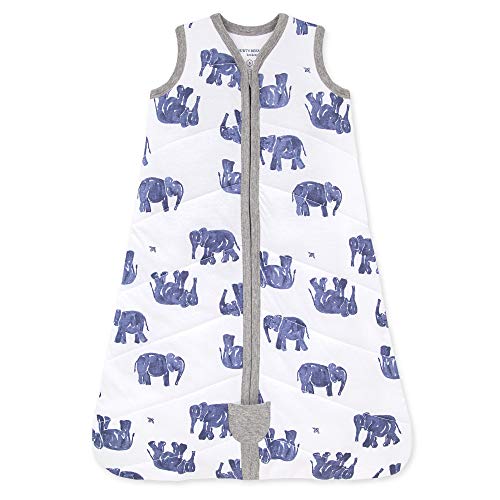
Sleep sacks are a good option and a fantastic alternative, providing the cozy security that swaddling offers without the potential risk of suffocation associated with loose blankets. These wearable blankets come in different materials suitable for all seasons, ensuring your baby remains at an ideal temperature throughout the night.
Another excellent choice for your evolving infant is a transitional swaddle. This hybrid solution often features detachable wings, allowing you to adjust the garment as your baby’s needs change, which is a great way to transition gradually from a swaddle to a sleep sack.
Both alternatives support your baby’s natural sleep patterns while encouraging safe sleep practices. With no excess fabric to worry about, you can rest assured knowing that your baby has reduced risks of SIDS and can move freely to encourage development.
As a bonus, sleep sacks and transition swaddles often come with convenient features like zippers, making nighttime diaper changes less disruptive for both you and your sleepy little one.

Creating a Safe and Comfortable Sleep Environment
Safe sleep guidelines for babies are essential to ensure their well-being. These guidelines typically include placing babies on their backs to sleep, using a firm and flat sleep surface, and keeping the sleeping area free from pillows, blankets, or toys to reduce the risk of Sudden Infant Death Syndrome (SIDS).
You’ve decided it’s time for your baby to transition out of the swaddle, and you’re ready to create the best sleep environment to support this change. Let’s break it down into simple steps. First, check the room temperature. Babies sleep best in a room that’s cool, between 68 and 72 degrees Fahrenheit. This comfort range encourages sound sleep without the need for a swaddle to stay warm.
Next, address the noise level in the room. A quiet space is important, but consider a white noise machine or soft music if total silence isn’t possible. Soft, consistent sound can help soothe your baby to sleep.
When it comes to the crib, remove any loose bedding or toys because these pose a safety issue. A fitted crib sheet is all you need, and it reduces the risks associated with excess crib clutter.
Consistency is key for sleep routines. Stick to a predictable bedtime routine with activities like a warm bath, a gentle story, and some cuddles. This routine offers comfort and signals to your baby that it’s time for sleep. Follow these steps, and you’ll set the stage for a safe, comfortable, and peaceful night’s independent sleep, swaddle-free.
Dealing with Sleep Regressions
Sleep regressions can pop up just when you think you’ve nailed the baby sleep schedule. As you ease your baby out of the swaddle, these setbacks are common, but don’t worry; you can handle them with the right approach. First off, maintain a consistent bedtime routine. This signals to your baby that it’s time to wind down, despite the absence of the swaddle.
Next, ensure your infant has a comforting sleep environment. Soft sheets, a dimly lit room, and a comfortable temperature help encourage sleep without the snugness of a swaddle. If your baby struggles, try gently patting or shushing to soothe them back to sleep. These actions can mimic the security they once felt when swaddled.
Remember that some fussiness is normal as your little one learns to sleep swaddle-free. Stay patient and provide extra cuddles during this time. Your presence and reassurance are powerful tools. And if sleep regressions persist or you’re concerned, don’t hesitate to chat with your pediatrician for personalized baby sleep advice.
When to Consult a Pediatrician
If you notice irregular patterns in your baby’s sleep that persist, seeking advice from a pediatrician can give you peace of mind. As your little one grows, sleep disruptions might signal other developmental needs.
Sudden changes in nighttime rest, increased fussiness, or difficulties settling down can all be reasons to seek professional medical advice.
When your baby isn’t meeting expected milestones, such as rolling over by a certain age, professional guidance is key. Don’t hesitate to bring up any concerns during regular check-ups or schedule an appointment if something feels off.
A pediatrician will assess your baby’s growth, provide sleep advice tailored to their developmental stage, and address your worries. Remember, a pediatrician’s expertise in infant care is a valuable resource for navigating this transition.
They can help ensure your baby’s sleep habits are supporting their health and well-being. Rely on their knowledge to guide you through weaning off the swaddle and establishing new sleep routines.
Final Thoughts on When to Stop Swaddling Baby for Sleep: Embracing the Next Stage of Sleep
Stopping swaddling marks an exciting time – it’s a natural step forward in your little one’s development. It might make you a little nostalgic to think about how quickly your baby is changing, but each developmental stage is a series of achievements worth celebrating.
Try keeping a journal of these milestones, noting not just the date, but also your feelings and the environment, creating a record that you’ll both cherish in years to come. Remember, as your baby moves away from swaddling, they are gaining new abilities and a greater sense of the world.
You’re doing a fantastic job guiding them through these stages, ensuring sweet dreams for both of you.

Frequently Asked Questions About Swaddling
- At what age should I stop swaddling my baby? You’ll want to start transitioning away from swaddling when your baby shows signs of being able to roll over, usually around 2 to 4 months old.
- Why is it important to stop swaddling at this time? Once babies start moving more, swaddling can become a safety risk. It can increase the chances of suffocation if they roll onto their stomachs while swaddled.
- What’s the safest sleeping position for a baby? Always place your baby on their back to sleep. This position has been shown to reduce the risk of Sudden Infant Death Syndrome (SIDS).
- How can I transition my baby out of a swaddle? Begin by leaving one arm out of the swaddle to help your baby gradually get used to more freedom of movement. Eventually, let both arms free, and then move to a sleep sack or similar sleepwear.
- Can swaddling affect my baby’s development? No, swaddling in the early months does not negatively impact a baby’s development. Once your baby requires more freedom for developmental progress, it’s time to transition out of swaddling.
- What should my baby wear to sleep after swaddling? Transition to wearable blankets or sleep sacks that allow your baby to move freely but still provide comfort and warmth without the risks associated with loose bedding.


Leave a Reply