Introduction to Pumping Schedules
Heading back to work as a new mom comes with its own set of challenges, especially when you’re committed to breastfeeding. You’re not alone in this. Countless moms juggle the demands of a career with the needs of their little ones, and establishing a reliable pumping schedule is a big piece of that puzzle. Breast milk is liquid gold, and none of us wants to compromise on our baby’s health or our professional responsibilities.
Creating the perfect pumping schedule is no walk in the park, yet it’s not just possible—it’s essential. This guide is designed to unfold in practical steps how we can all find our rhythm in expressing enough milk during the work day.
From understanding the crucial role of milk supply to managing and storing your liquid gold at work, I’ve got you covered. I’ll share insights on equipment, offer advice for pumping at work, and suggest strategies to ensure that you express efficiently without feeling overwhelmed.
With a splash of planning and a dash of persistence, you can maintain that precious bond with your baby and continue providing breast milk even while managing a career. Let’s dive in, step by step, unlocking the secrets to a successful pumping schedule that aligns with both your baby’s needs and your work demands.
Key Takeaways:
- Strategize: Step-by-step guidance is key to merging your breastfeeding journey with work life.
- Maintain Supply: Consistency in pumping is essential for a healthy milk supply.
- Efficiency is Paramount: Practical tips to make pumping at work effective and manageable.
Disclaimer: This post may contain affiliate links that I may earn a commission from. As an Amazon Associate, I earn from qualifying purchases. You can read my full disclosure HERE.

Understanding Breast Milk Supply
Milk production operates on a supply-and-demand basis. The more often I express milk, whether by breastfeeding or pumping, the more milk my body produces. Sticking to a regular pumping schedule mimics my baby’s feeding patterns, spurring my body to maintain a healthy milk supply.
Skipping sessions or waiting too long between expressing can signal my body to slow down production, making consistency key.
Several factors can impact my milk supply such as stress, diet, hydration, and overall health. Rest and a balanced diet fuel my body for optimal milk production. Staying hydrated is especially crucial as it directly affects the volume of milk I produce. If I’m unwell or under a lot of stress, I might notice a temporary dip in supply.
On top of these, returning to work introduces new rhythms and stresses that can influence milk production. This is why finding a reliable pumping routine holds such weight. By expressing milk at regular intervals similar to my baby’s feeding schedule, I help ensure my milk supply remains steady, even amidst the hustle of work life.
This steadfast approach provides my baby with the nutrition needed, keeps me comfortable, and aids in preventing common issues like engorgement or mastitis that could further disrupt my routine.
Benefits of Regular Pumping
Health benefits for baby and me are clear with a consistent pumping schedule. Your little one gets the necessary nutrients from breast milk, known to bolster the immune system. As for you, you reduce the risk of engorgement, and mastitis, and maintain your milk supply. This practice supports the bond between you and your baby, despite the distance while at work.
Regular pumping mirrors the nursing routine at home, which eases the transition for my baby. With breast milk always available, caregivers can feed on demand, ensuring emotional security and comfort for my child. This steady supply becomes a reliable part of daily life, giving me peace of mind.
Pumping fits into work life by enabling you to schedule around important meetings and deadlines. You can store milk for the sitter or daycare, which means no last-minute scrambles for feeding solutions. It also gives you regular breaks during the workday, which can be a moment to pause and recharge.
Continuity is king for the little ones, and a solid pumping plan upholds this. It keeps baby on a normal feeding rhythm, which stabilizes sleep and eating patterns. Preserving this consistency is a cornerstone of a happy post-maternity leave life for both mom and baby.
Creating Your Pumping Plan
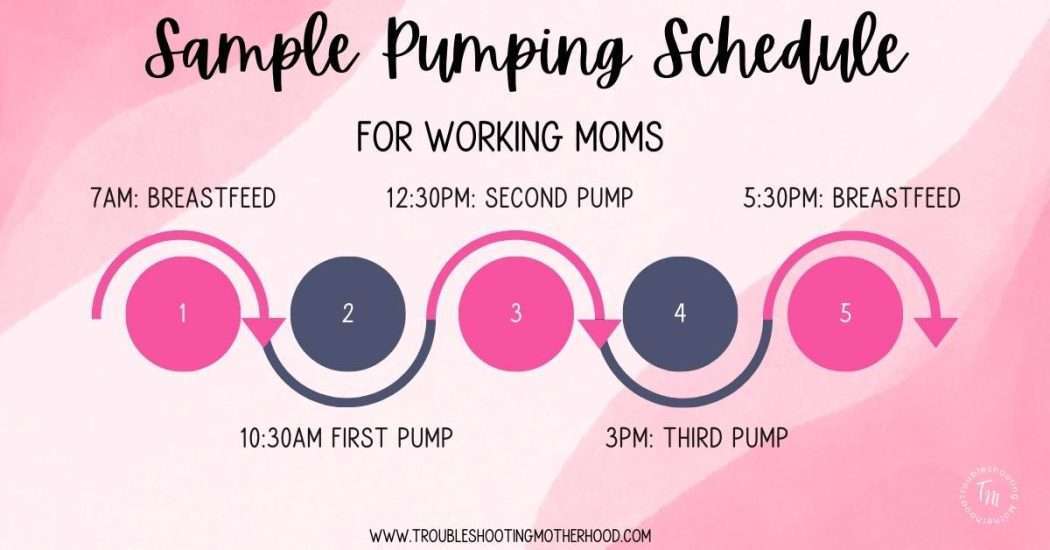
Start with a look at your work schedule to slot in pumping times that align with your baby’s usual feeding routine. You want to mimic your little one’s pattern as closely as possible. Keep in mind, that consistency is key, but you’ll also need to give yourself some grace for the unexpected. Don’t forget to factor in travel time to and from work.
Next, think about your comfort. Make sure to choose times when you can relax, because stress can impact milk flow. Look for quiet spaces where you can pump undisturbed. This might be a dedicated lactation room or a private office. Comfort also means what you wear – opt for clothing that allows easy access to make the process smoother.
Remember, your plan might need tweaking. You may find that certain times don’t work or that your milk supply responds better at different times of the day. Be prepared to adjust your schedule as you learn what works best for you and your baby.
Lastly, it is a good idea to record your pump sessions with the time and amount of milk expressed. This log will help you see patterns and make necessary adjustments. It also serves as a reminder of the amazing job you’re doing providing for your baby, even when you’re apart.
I’ve created this Free Pumping Tracker that you can download and keep with you when you are not at home.

Pumping Equipment Essentials
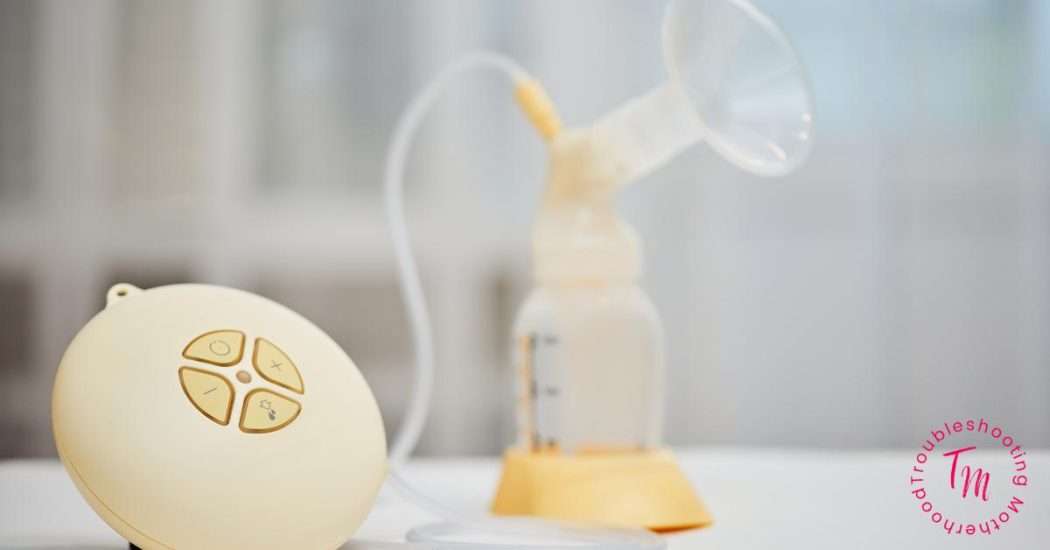
Choosing the right breast pump can make all the difference in your pumping journey. You want a pump that’s efficient, comfortable, and easy to use. Start by considering whether a manual or electric pump suits your needs better.
A double-electric pump is faster and requires less effort, making it ideal for regular use during work hours. However, if you’re tight on budget or only occasionally pumping, a manual pump might do the trick. Make sure you check with your insurance first because most cover the cost of breast pumps.
Maintaining cleanliness with your pumping equipment is non-negotiable. Each part that touches your breast milk should be washed with soap and hot water after every use. If you’re pressed for time, use disinfecting wipes or a steam cleaning bag as a quick alternative.
Just remember, thorough cleaning at the end of the day is still necessary. And keep this in mind: moisture breeds bacteria, so ensure everything is completely dry before the next use.
You’ll also need storage bottles or bags specifically designed for breast milk. Look for options with secure sealing to prevent spills and protect the milk’s quality. An insulated cooler bag is a wise addition for transporting milk safely back home. For those unexpected long days at work, having an extra set of clean pump parts and bottles saves you from the stress of washing or drying on the go.

Finally, comfort is key, so invest in a good hands-free pumping bra. It allows you to multitask, which is a game-changer for busy workdays. A comfortable, well-fitting bra also contributes to more efficient milk expression, helping you make the most out of every pumping session.

Strategies for Pumping at Work
Before you return to work, you must understand your legal protections as a nursing mother. The Fair Labor Standards Act (FLSA) ensures that employers in the United States must provide their employees who are nursing mothers with reasonable break times to express breast milk for their babies.
This requirement lasts for a full year after the baby is born and should be provided whenever the employee needs it.
Additionally, the law stipulates that the place where the employee pumps milk at work must not be a restroom. It should be a private area shielded from view and free from interruptions by coworkers or the public. This way, working mothers can meet their breastfeeding needs without any inconvenience while on the job.
Finding a private space at work to pump can seem daunting, but with a bit of planning, it’s manageable. Start by scouting out potential spots ahead of time. If you have your own office, you are in luck (as long as your door has a lock).
Create a sign to hang on the outside of your door that lets people know you are unavailable for the next 20 minutes. You can keep it vague or get to the point and use a sign that tells people you are busy pumping and not to bother you.
If you don’t want to make your own sign, I’ve created one you can download for free.

If you don’t have your own personal space, look for a private room that offers a safe place for your pump breaks and an electrical outlet for your breast pump. If your workplace doesn’t have a designated lactation room, talk to HR about your needs; they may be able to provide solutions you hadn’t thought of.
Negotiating breaks with your employer is up next. Clear communication is key here. Explain that to maintain your breast milk supply, regular pumping throughout the day is essential. Work together to establish times that fit both your schedule and workplace demands. Employers are often required to provide reasonable break time for nursing mothers, so don’t hesitate to discuss how this applies within your organization.
Once you have your space and breaks set, managing pumped milk takes priority. Bring along labeled storage bags or containers, and a cooler with ice packs to keep the milk at a safe temperature until you get home. Keeping everything organized will also help avoid any mix-ups or lost milk.
Remember, navigating pumping at work is your right, and you’re not alone in this. Many workplaces are now more aware of the needs of breastfeeding mothers and have policies in place. Talk to HR about lactation policies and find out what specific support is available to you. They can be an invaluable resource in helping you make a smooth and successful transition back into the workplace.
Maximizing Milk Expression
Maximizing the amount of milk you express during each pumping session means being strategic. Start by getting comfortable. Find a quiet spot where you can relax without interruptions. Stress can hinder your flow, so consider bringing a piece of your baby’s clothing or a photo to help stimulate let-down.
Hands-on pumping is also a game-changer; gently massage your breasts before and during pumping to encourage more milk to flow. If your schedule permits, try to pump at the same times each day to establish a routine that supports steady milk production.
Investing in a high-quality double electric breast pump can significantly cut down on the length of time you spend pumping, without sacrificing the volume of milk expressed. Double pumping stimulates both breasts simultaneously, which can also boost your milk supply.
Remember to keep your pump parts clean by washing them in warm soapy water and replace them according to the manufacturer’s guidelines, as worn-out components can reduce suction and overall effectiveness. Too often, moms overlook this simple maintenance step that can make a big difference in pumping efficiency.
Last but not least, stay hydrated and well-nourished. Producing breastmilk is hard work and your body needs the fuel to produce milk. Dehydration can reduce your supply so keep a water bottle nearby and make sure you’re eating balanced meals throughout the day.
According to La Leche League, nursing moms should be drinking between 2.5L – 3L of water per day. Your health and well-being directly impact your pumping success, so don’t skimp on taking care of yourself.
PRO TIP: A good rule of thumb is to drink a glass of water during each pumping or nursing session.
How to Store Pumped Breastmilk While at Work
Storing pumped breast milk at work requires careful attention to ensure it remains safe for your baby. Begin by placing freshly pumped milk into bottles or bags designed specifically for milk storage. Secure these containers with airtight lids to prevent any contamination or spills.
Keeping your milk cold is essential, so store these containers in a cooler with ice packs if a refrigerator isn’t available. The cooler should be kept as cool as possible throughout the day.
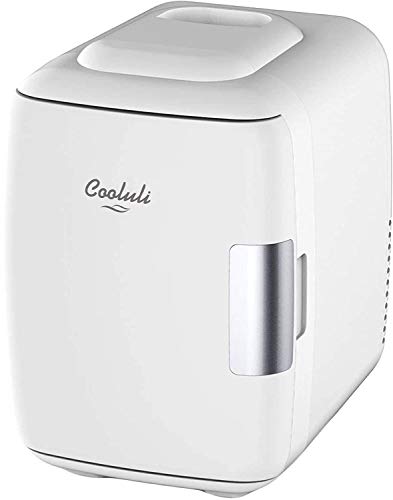
You may want to also consider investing in a mini fridge to store your milk. Having your own mini fridge gives you the ability to know that your milk is being stored at the proper temperature. This is especially useful if your milk will be stored for longer than 4 hours.
When you arrive home, transfer the milk to the refrigerator or freezer. If adding to your freezer stash, remember to leave some space at the top of the container for expansion. Label each container with the date the milk was pumped, so you’ll know to use the oldest milk first.
For thawing frozen milk, place it in the refrigerator overnight. You can also warm it by holding the container under warm running water or by setting it in a container of warm water.
Avoid microwaving, as this can create hot spots and can also destroy some of the beneficial components of breast milk. Lastly, gently swirl the milk to mix any separated fat before feeding it to your baby. These steps will help keep your precious liquid gold safe until it’s time for your little one to enjoy.
Balancing Work and Pumping Routines
Finding harmony between work and pumping may feel like a juggling act at times, but I strive to set attainable targets that fit within my day. I remind myself that it’s okay if things don’t always go according to plan. This is not just about sticking to a schedule; it’s about adapting to the unexpected while keeping my milk supply consistent for my baby. Being gentle with myself is key—you can only do your best, and that is enough.
In my circle of working mom friends, Sarah told me, “I schedule my pumps during times I know work is typically quieter, and I protect this time fiercely.” Another friend, Elena, found success by “communicating openly with my manager about my needs, which helped reduce my stress about pumping at work tremendously.” Their stories show there’s not a one-size-fits-all approach. We each find our rhythm through trial and error, and that’s completely fine.
Maintaining this balance doesn’t just happen. It requires thought, planning, and sometimes, a bit of courage to advocate for the needs of you and your baby. But remember, you’re not alone in this journey. Countless women have walked this path and have found their stride blending professionalism with the intimate act of nurturing their child.
Troubleshooting Common Issues With Pumping at Work
Dealing with a decreased milk supply can be distressing. First, check your pump’s settings and parts to ensure everything is functioning properly. Next, try to add a pumping session in the early morning when milk supply tends to be higher. Staying hydrated and well-nourished also plays a significant role in milk production, so keep water and healthy snacks at hand.
Scheduling conflicts at work can disrupt your routine. Take a proactive approach by discussing your needs with your employer. Look at your work schedule to find regular intervals that align with your pumping needs. If meetings often pop up, blocking time on your calendar for pumping might help others see these slots as unavailable.
If time is tight, try shortening your pumping sessions but increase their frequency. Keep in mind that consistency is key, so even a short session can help maintain your supply. And remember, you’re not alone in this. Many working moms juggle pumping and their careers, facing similar challenges, and they find strategies that work.
Seek out their advice and lean on your support network for shared experiences and moral support. Above all, giving yourself grace during this adjustment period is important. You’re doing an incredible job balancing these dual responsibilities.

Support and Resources
As a new mom gearing up to return to the workforce, you’re probably feeling a bit overwhelmed about juggling your career and breastfeeding. Look no further! Milkology has online classes that will empower you with the knowledge and strategies you need to make a seamless transition.
Stacey Stewart is a Certified Lactation Educator, mom of 3, and the founder of Milkology®. Her mission is to make breastfeeding and pumping easier for moms so they can have less stress, less worry, and more snuggling.
Say goodbye to milk supply stress and hello to confidence as they guide you through the essential techniques and tips to maximize your milk expression while heading back to the office.
Joining The Ultimate Back to Work Pumping Class is an opportunity for new moms to gain valuable insights and strategies for a smoother transition as they balance their careers and breastfeeding and it’s something I highly recommend!
Help From Family, Friends, and Co-Workers
Leaning on family, friends, and coworkers can make a world of difference in your pumping journey. People close to you can offer practical help, like watching your little one while you pump, and also emotional support when you feel overwhelmed.
Coworkers who’ve been through it themselves can be a wealth of knowledge and may even share hidden gems, like the quietest place to pump at work.
Community Networks
Finding a good lactation consultant can be a game-changer, especially when I’m facing challenges with pumping or if my milk supply starts to wane. These experts can give personalized advice and techniques to keep everything flowing smoothly.
Local breastfeeding support groups and meetups can be been invaluable. The chance to connect with other moms who truly understand what you’re going through can boost your confidence and also give you a few new friends.
Online communities are another great place to find support. Forums and social media groups are open 24/7, allowing me to post questions or seek encouragement at any hour – perfect for late-night pumping sessions.
Plus, you can often find tips you hadn’t considered before, from the best milk storage solutions to how to make your pumping schedule work during business trips.
Don’t hesitate to reach out and build your support network – it can make all the difference!
Taking Care of Yourself
Mastering the art of pumping while juggling a career is no small feat, and it demands that you keep your own well-being on the priority list too. Self-care is not selfish; it’s essential to being the best mom and employee you can be.
Make sure to find moments in your day for a breather. Even a five-minute pause for a cup of tea can recharge your batteries.
Stay hydrated and nourished because your body needs fuel to produce milk and keep your energy up.
Don’t shy away from a short walk or some gentle stretches. Movement relieves stress and enhances overall health. And when sleep is at a premium, go for quality over quantity. A power nap or early bedtime can work wonders.
Connect with friends, talk with family, or laugh over something silly. Emotional support is a pillar of stress management.
Mindfulness or meditation apps can be great tools for finding a bit of tranquility amidst the chaos. Mental breaks are as valuable as physical ones; use these tools to center your thoughts when everything feels overwhelming.
Remember, taking care of me means I’m taking care of my child. My strength, in both body and spirit, supports my baby’s growth. So I carve out time for myself because our wellbeing is interconnected.
Final Thoughts on The Best Pumping Schedule for Working Moms
As we wrap up our journey together, take what you’ve learned and tailor it to your life. Start by setting out a clear pumping schedule that aligns with both your work rhythm and your baby’s needs. Remember, consistency is your ally in maintaining your milk supply and your sanity.
- Review your plan regularly: Life changes, and so should your pumping schedule. Don’t hesitate to adjust it as needed to fit into new routines or to respond to your baby’s development.
- Communicate your needs: Share your schedule with your support system at home and at work. The people around you often want to help—you just need to let them know how.
- Stay hydrated and nourished: Your body needs fuel to produce milk. Make sure you’re drinking plenty of water and eating a balanced diet to support lactation.
- Track your progress: Keep a log of your pumping sessions and the amount of milk you express. This can be motivating and informative, letting you see patterns and celebrate your successes.
Empower yourself with the knowledge that you’re doing something incredible for your child while pursuing your career. Each drop of milk you pump is a labor of love and every effort you make counts. Remember, you’re not alone in this!
Thousands of working moms are on this journey, each with their own unique story. So keep going, keep pumping, and cherish the bond that you and your little one share. Together, you’re an unstoppable team.

Read Also: Power Pumping to Increase Milk Supply




Leave a Reply Cancel reply