
Why do babies jump in their sleep? Let’s look at the surprising reasons why.
Ever watched in wonder as your sleeping baby suddenly twitches or jumps, interrupting their peaceful slumber with a sudden jerk? If you’re nodding along, know that you’re not alone.
As bewildering as it might be to witness, let me put your mind at ease by affirming that these involuntary movements, often referred to as sleep twitches or myoclonic jerks, are completely normal and a common part of your baby’s development. From the quiet depths of NREM sleep to the rapid eye movements of REM sleep, these sleep starts are your baby’s brain diligently at work.
Learning about how babies’ brains grow helps us understand why those sudden, jerky movements are important. Even though they might seem random, they actually help babies develop their senses and movements. It’s like their brains and bodies are working together to grow and learn.
Key Takeaways:
- Sleep twitches are normal: It’s common and healthy for babies to twitch in their sleep as part of their neurological development.
- Linked to brain activity: These involuntary movements are connected to the baby’s brain activity, playing a crucial role in sensorimotor development.
- Part of sleep cycles: Sleep twitches occur during various stages of sleep, including both REM and NREM phases, reflecting the ongoing development of the baby’s nervous system.
Disclaimer: This post may contain affiliate links that I may earn a commission from. As an Amazon Associate, I earn from qualifying purchases. You can read my full disclosure HERE.

Understanding The Moro Reflex
Have you ever watched your sleeping baby suddenly jump and wondered what’s going on? Well, what you’re witnessing is the Moro reflex, or as some call it, the startle reflex.
I remember the first time I saw it in my little one; it caught me by surprise! This involuntary reaction is a normal part of infant development and is present from birth until about the 4th or 5th month of age. The Moro reflex occurs when babies feel a sudden lack of support, like if they think they’re falling. Their arms fling out sideways, then come back in, often with a little cry.
This reflex is not only fascinating but incredibly important. It’s a sign of a healthy nervous system and brain development in your baby. Plus, it’s closely related to the development of the baby’s motor skills and sensorimotor development.
Understanding this can reassure us that when our babies “jump” in their sleep, it’s a good sign; it signifies that their little bodies and brains are working as they should, developing those crucial early connections.
So, the next time you see your baby twitching or jumping in their sleep, remember, it’s all part of their growth and development journey.
Bond Between Baby Sleep Jumps & Motor Skill Development
Researchers, including Mark Blumberg, a prominent figure in the study of infant sleep patterns and brain development, have shed light on the fascinating world of baby sleep twitches. These movements happen on their own, especially during REM sleep, and help babies learn how to move and sense things around them.
It’s not just about a sudden jerk or a random twitch; there’s a deeper process unfolding within your baby’s developing brain. These twitches are thought to help babies in creating neural connections, laying the groundwork for future voluntary movements and motor skills.
From the early flutters of a newborn’s sleep to the more pronounced jerks of older infants, every little twitch is like a special connection between their growing brain and their spinal cord. It’s like they’re practicing how to move perfectly.
So, the next time you see your baby twitching away in their dreamy slumbers, remember, it’s their way of getting a step closer to crawling, walking, and exploring the world around them.
It’s a sign that their little brain and body are hard at work, even in the depths of sleep, fine-tuning the motor skills they’ll use for the rest of their lives.
Read Also: Why do Babies Cry in Their Sleep?
Why do Babies Smile in Their Sleep?
Types of Sleep in Babies: REM and NREM

To help understand more about the why babies jump in their sleep, let’s look at the types of sleep – REM, standing for Rapid Eye Movement, is what we often call active sleep. During this stage, your baby’s brain is buzzing, processing sensory information and fostering brain development.
It’s during REM that you might notice those adorable spasms, known as sleep twitches. These aren’t just random; they’re part of how your baby’s nervous system matures.
On the other hand, NREM, or Non-REM sleep, is when your baby enters a state of quiet sleep. Think of it as the deep, restful sleep that’s crucial for early development.
During NREM, the body is recovering from the day’s adventures, growing, and repairing itself. You’ll notice that during this phase, your baby is more still, with fewer twitches and jerks.
Each type of sleep serves its unique role in your baby’s health and growth. REM sleep aids in brain development and learning, while NREM sleep is all about physical growth and rest.
Rare Instances: When to Worry
Babies jumping in their sleep is usually a sign of healthy development, but there are rare cases when it might signal something more serious. For many of us, distinguishing between these can feel daunting. Let’s talk about when it’s time to reach out for medical attention.
Infantile spasms are a type of serious condition characterized by a clustering of sudden movements, a key differentiator from the benign twitches seen during sleep. This condition often surfaces during the first month of life and might indicate underlying issues like tuberous sclerosis.
Another scenario that demands immediate healthcare provider consultation is febrile seizures, typically triggered by a high fever in young children, although they are more common in older kids.
Understanding the wide spectrum spanning from normal brain activity in a sleeping baby to scenarios indicating developmental delays or neurological issues is crucial. If your instinct tells you something’s off, never hesitate to seek medical advice. After all, you know your baby best.
Creating a Soothing Sleep Environment
When you’re a first-time parent, understanding how to set up a calming bedtime routine for your baby can seem overwhelming. But trust me, it’s not that hard and in the long-run it will reduce help your baby, and you, get a good night’s sleep. Here are some of my go-to tips:
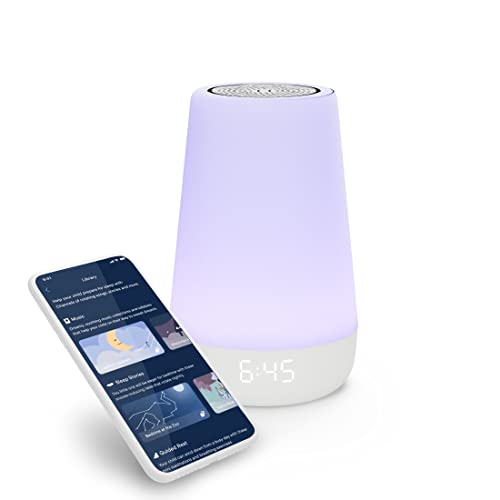
- White Noise Machine: Something about the soft, consistent sound of a white noise machine works wonders. It not only helps drown out the disruptive sounds of the house or street but also mimics the comforting, constant noises they heard in the womb.
- Dim Lights: Bright lights can be jarring for young children, especially newborn babies. Using dim lights or even a soft, blue light can help your baby transition from the active alert phase to the quiet alert phase, making them more conducive to sleep.
- Comfortable Sleepwear: Ensuring your baby is dressed in comfortable sleepwear can minimize restlessness. Look for soft fabrics that keep them at a comfortable temperature throughout the night.
- Create a Routine: Babies thrive on routine. A consistent bedtime routine that might include a warm bath, a quiet story, and some cuddle time can signal to your baby that it’s time to wind down and prepare for sleep.
- Calming Scents: Though not always highlighted, a soothing scent in the baby’s room, like lavender, can have a calming effect and support a restful sleep environment.
- Limit Stimulation: In the lead-up to bedtime, try to keep stimulating activities, bright lights, and loud noises to a minimum. This helps in reducing the Moro reflex or startle reflex that can wake a baby from a deep sleep.
The Role of Physical and Sensory Experiences
When you’ve just put your baby down for a nap, the last thing you want is for something like a loud noise or those pesky bright lights to startle them awake.
I get it, and so does every other parent who’s been through the nightly (and daily) routine of ensuring their little one gets a good night’s sleep. These sensory experiences can trigger what’s known as the Moro reflex, a natural reaction in young infants that often resembles a miniature jump or twitch in their sleep.
Here’s a simple way to help reduce those sudden movements: try using a white noise machine. It’s like magic for drowning out any potential disturbances. And for those bright lights? A simple blackout curtain can work wonders in creating the perfect sleep environment.
When we lessen these things that can touch or startle babies, like sudden noises or movements, we can help prevent the Moro reflex from happening.
Final Thoughts on Why Babies Jump in Their Sleep
So, why do babies jump in their sleep? These movements are signs that your baby’s nerves are growing well. When they twitch, especially during deep sleep, it’s helping their brain and muscles get better at working together.
Every time your baby jumps in their sleep, it’s like a little message from their brain, saying it’s hard at work, getting ready for big milestones. Whether it happens during deep or light sleep, these twitches show that your baby is growing. So, when you see your baby jump in their sleep, remember that it’s a moment of growth and not something you need to worry about.
Want to learn more about your babies sleep habits?
- Why Do Babies Cry in Their Sleep
- Why do Babies Smile in Their Sleep
- Why Does My Baby Wake Up Screaming


Astghik says
Great explanation! It’s interesting to learn that those little twitches are a normal part of a baby’s development. Thanks for sharing this insightful information!